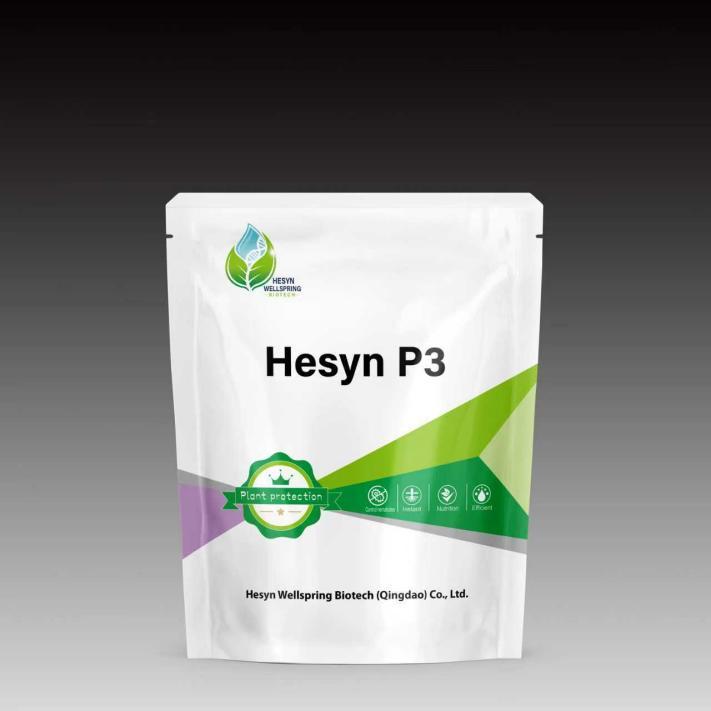

Product Center
SEARCH
PRODUCT
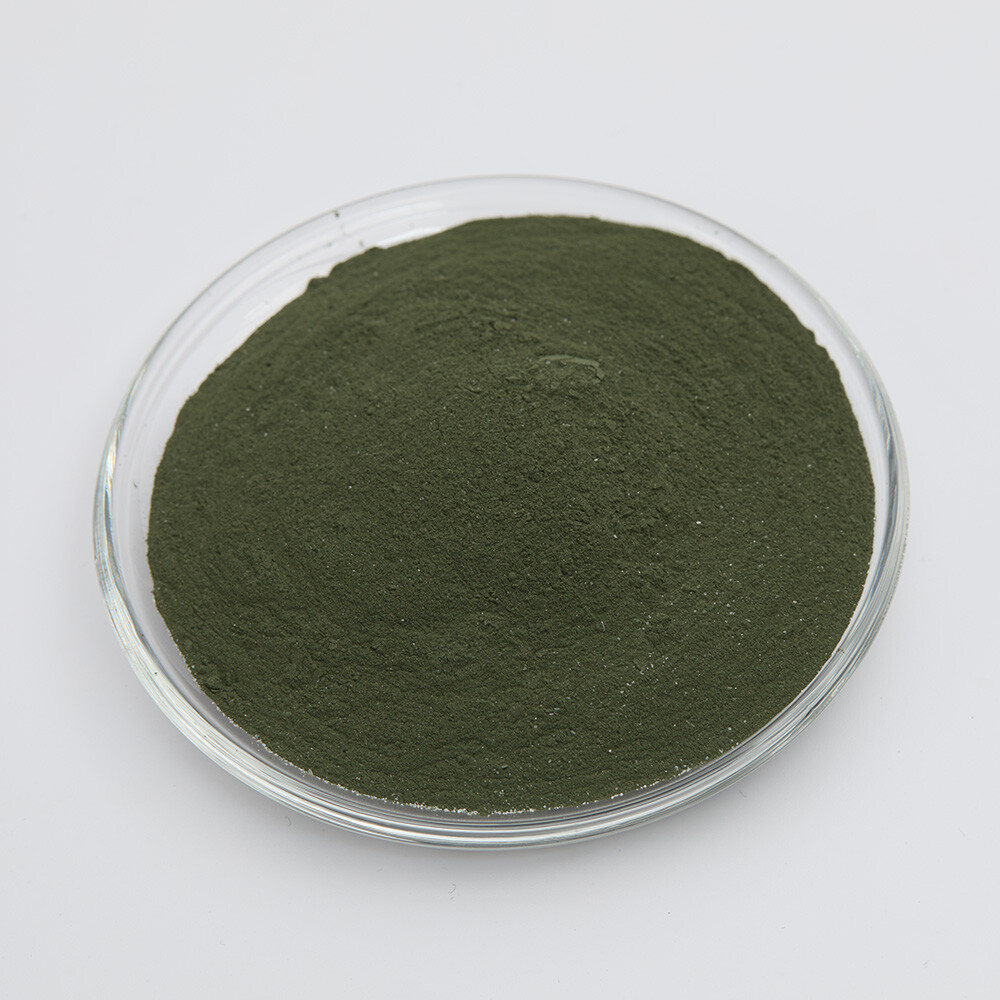
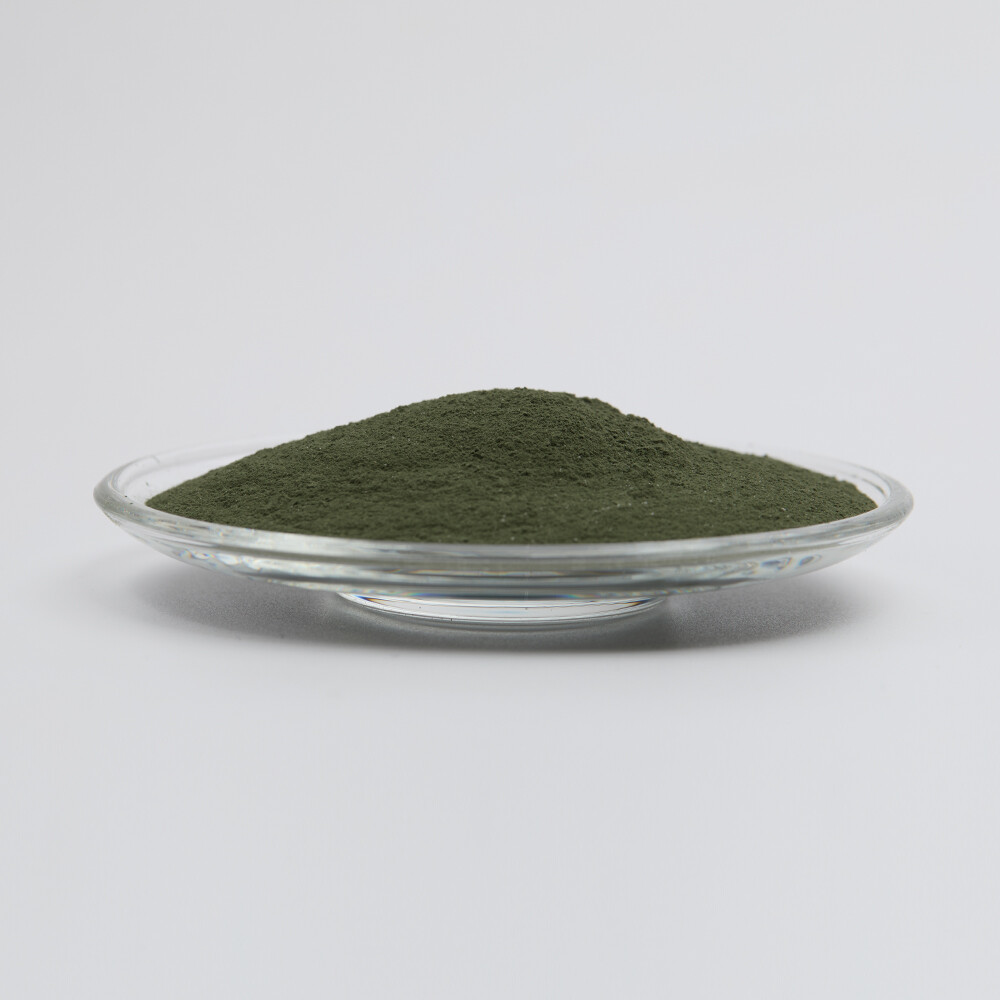
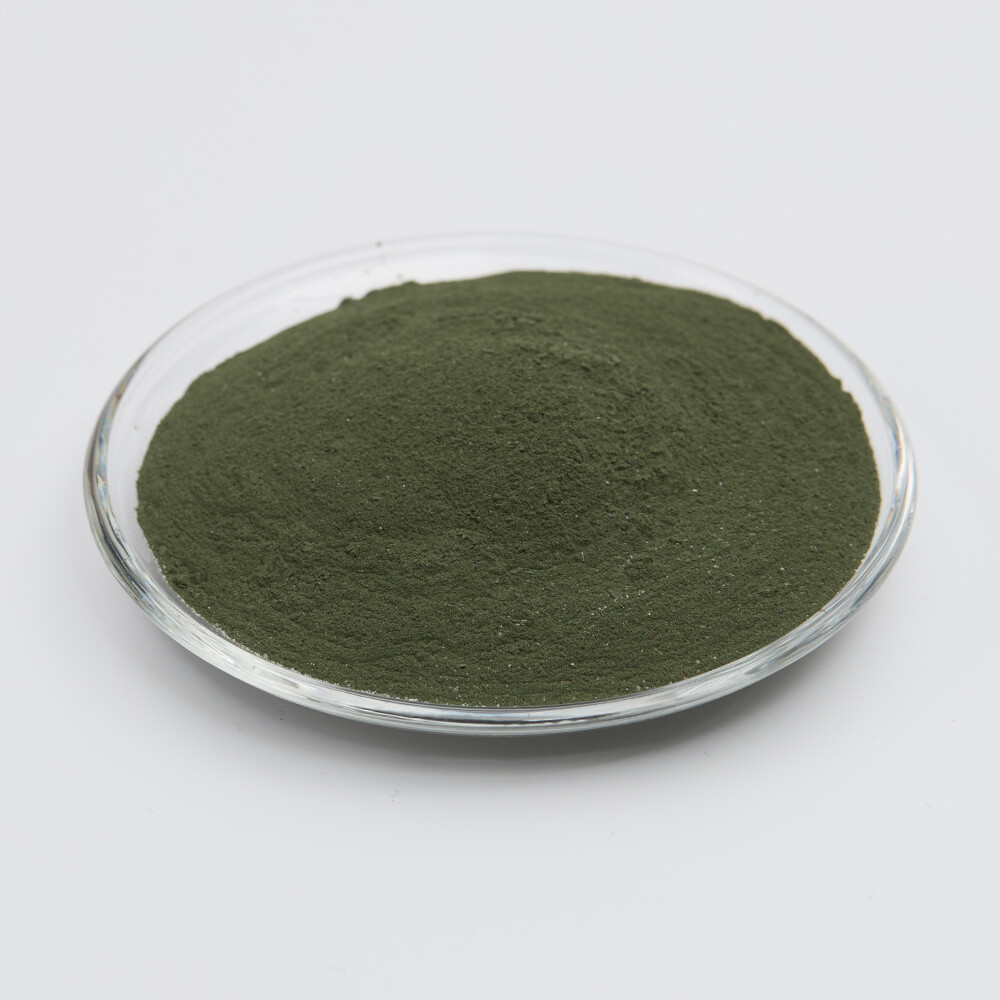
Trichoderma longibrachiatum is a species belonging to the Deuteromycetes. Common species within the Trichoderma genus include trichoderma longibrachiatum, Trichoderma viride, Trichoderma koningii, Trichoderma asperellum, Trichoderma atroviride, Trichoderma harzianum, among others. Initially, the colony appears white, dense, and round, expanding outward. After some growth, green conidia are produced from the center of the colony, causing the central area to turn green. The colony grows rapidly and develops noticeable concentric rings, with a white mycelial growth zone around the edges. Eventually, the entire colony turns green.
[Function of Trichoderma Longibrachiatum]
1. Antibacterial Function
The antibacterial properties of Trichoderma longibrachiatum are primarily used for disease prevention and pathogen suppression. Its modes of action can generally be categorized into five main mechanisms: production of antibiotics, nutrient competition, micro-parasitism, cell wall degrading enzymes and induction of plant resistance.
2.Production of Antibiotics
Trichoderma longibrachiatum is capable of producing both volatile and non-volatile antimicrobial substances that inhibit the growth of pathogens. Studies, such as those by Mary Schirmbock and others, have observed that Trichoderma harzianum produces cell wall-degrading enzymes and peptidyl metabolites, which possess antibiotic properties. When these antibiotics are combined with chitinase enzymes, they can effectively suppress spore germination and hyphal growth of pathogens.
3.Nutrient Competition
Trichoderma longibrachiatum uses its strong competitive ability to consume nutrients such as iron, nitrogen, carbon, oxygen, or other trace elements that are suitable for pathogen growth.It limits the growth,germination, or metabolism of the pathogen. In this aspect, Trichoderma longibrachiatum mainly competes for or blocks the nutrients required by the pathogen. The competition for iron, copper, and other ions is especially important, and it is related to the production of chelating substances, which also reduce pathogen spore germination and growth.
[Quality Standards]
1-20 billion functional microorganisms
[Shelf Life]
12 months
[Precautions]
1.Store in a sealed, dry, cool place at temperatures below 25° C.
2. Do not use simultaneously with fungicides.