
Product Center
SEARCH
PRODUCT
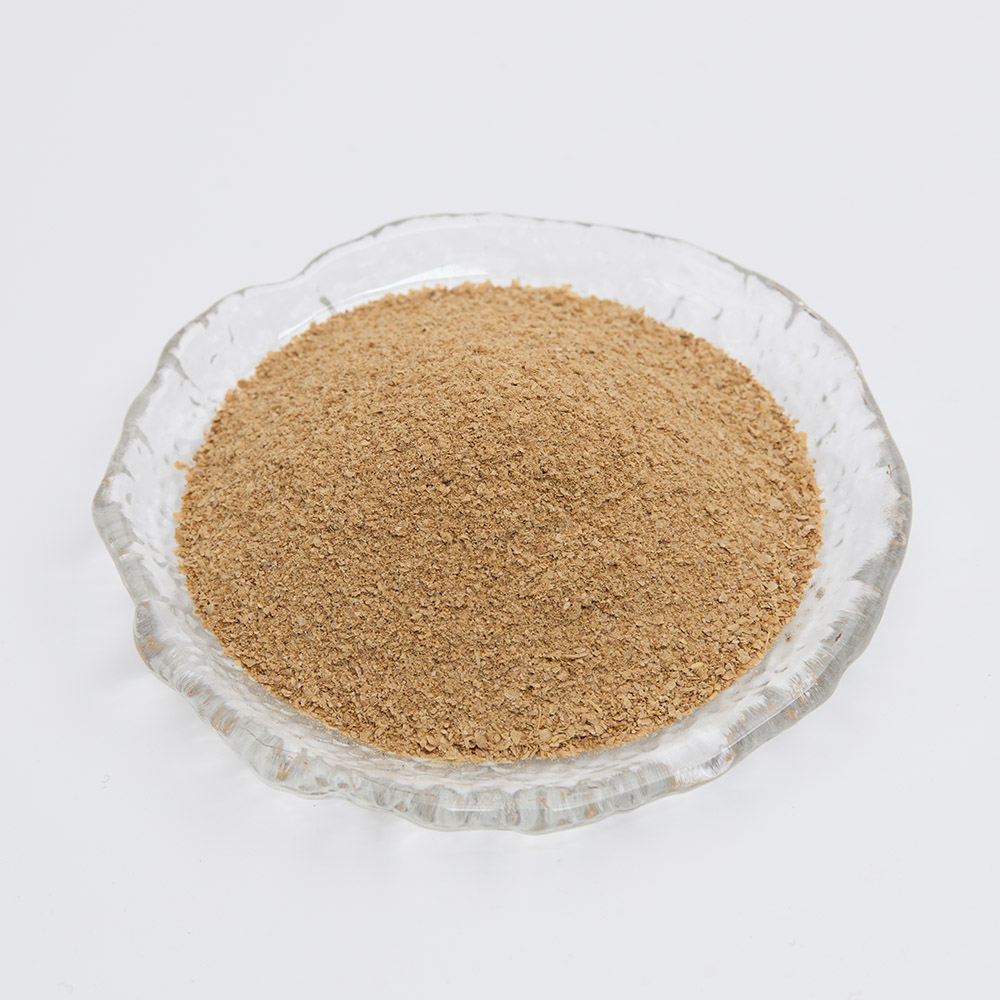
[Effects in Fermented Feed]
It has a relatively complete enzyme-producing system, containing acid, neutral and alkaline proteases, glucoamylase, amylase, cellulase, pectinase, etc.
Feed fermented with Aspergillus oryzae has the following effects:
1. The protease system produced by Aspergillus oryzae during feed fermentation can not only assist digestion but also be directly absorbed by the gastrointestinal tract.
2. Pectinase and cellulase can decompose plant tissues, fully exposing nutrients for easy absorption.
3. The function of glucoamylase is to further hydrolyze the small molecules of starch produced by amylase hydrolysis into glucose. It can supplement glucoamylase when the enzyme activity of young animals is insufficient, promote the growth of young animals, improve the utilization rate of starch components, greatly enhance the palatability of feed for animals, and increase feed intake to facilitate fattening.
4. After animals ingest the feed, most of the Aspergillus oryzae will break cell walls to release intracellular enzymes under the action of the gastrointestinal environment. After being absorbed and utilized by animals, these enzymes can significantly improve their immunity.
[Main Uses of the Product]
1. Used as a feed additive, it is a type of nutritional additive strain.
2. Used for extracting enzyme preparation products.
3. Application in ruminants: - Stabilize the rumen pH value, improve the digestive absorption rate of the rumen, promote the reproduction of rumen flora, and enhance the rumen fermentation function; - Improve the degradation of forage feed in the rumen, especially with a more obvious effect on the degradation rate of coarse grains; - Improve milk indicators, with an excellent effect on increasing milk protein content and milk fat rate; - Enhance the immunity of ruminants, helping them resist diseases; - Degrade fusarium mycotoxins (including zearalenone, fumonisin, vomitoxin, and T-2 toxin) to improve animal health.