
Product Center
SEARCH
PRODUCT
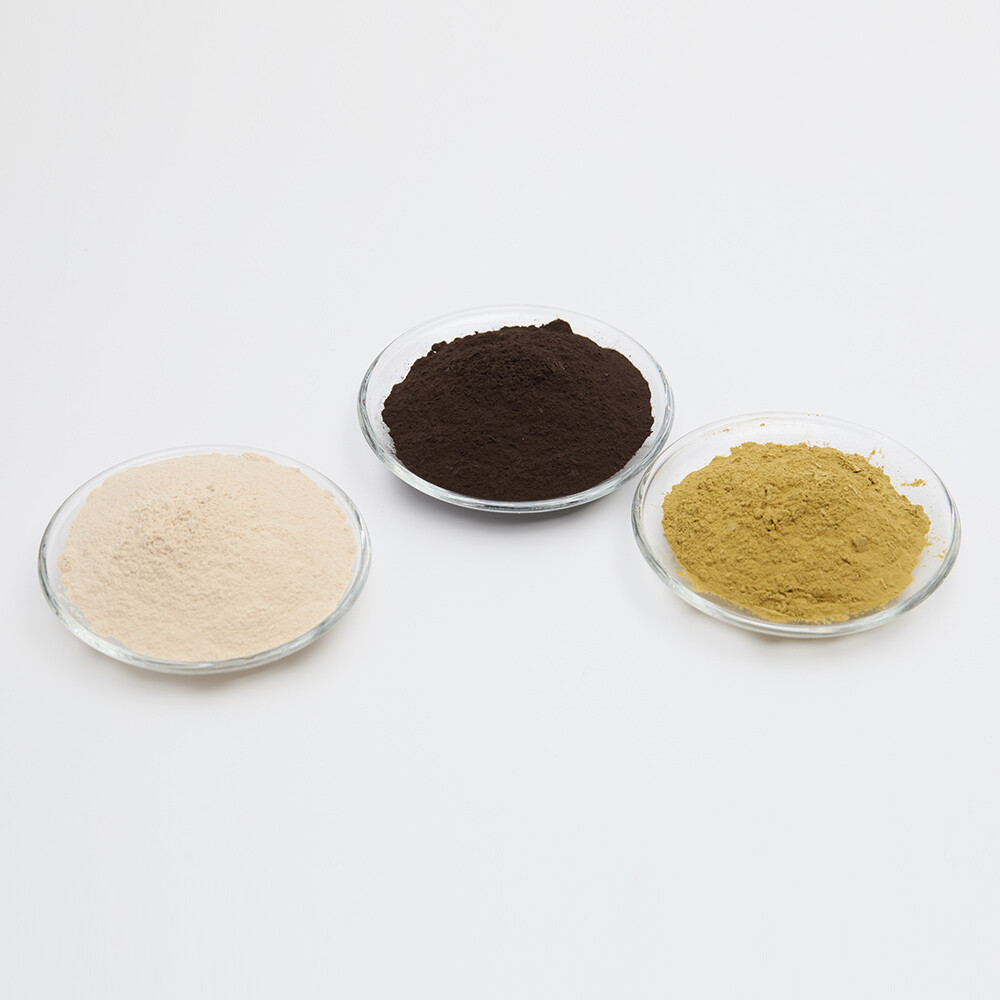
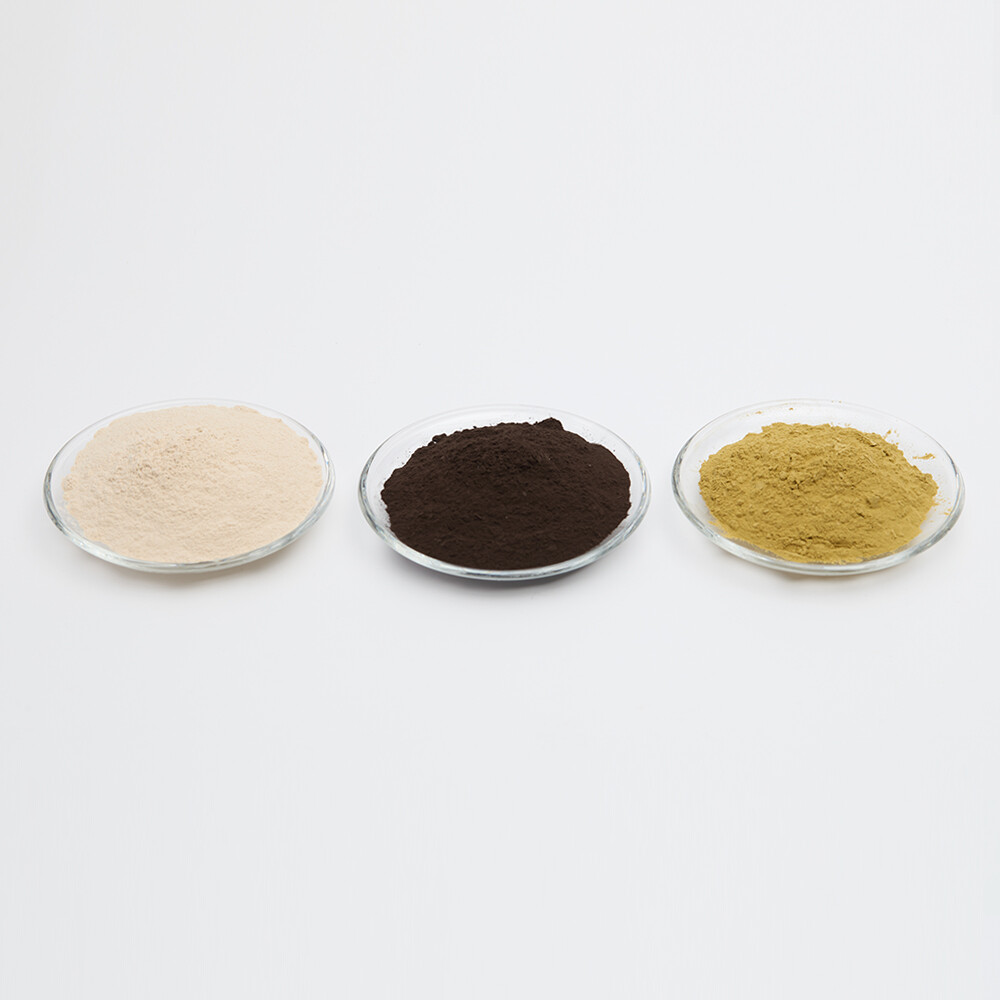
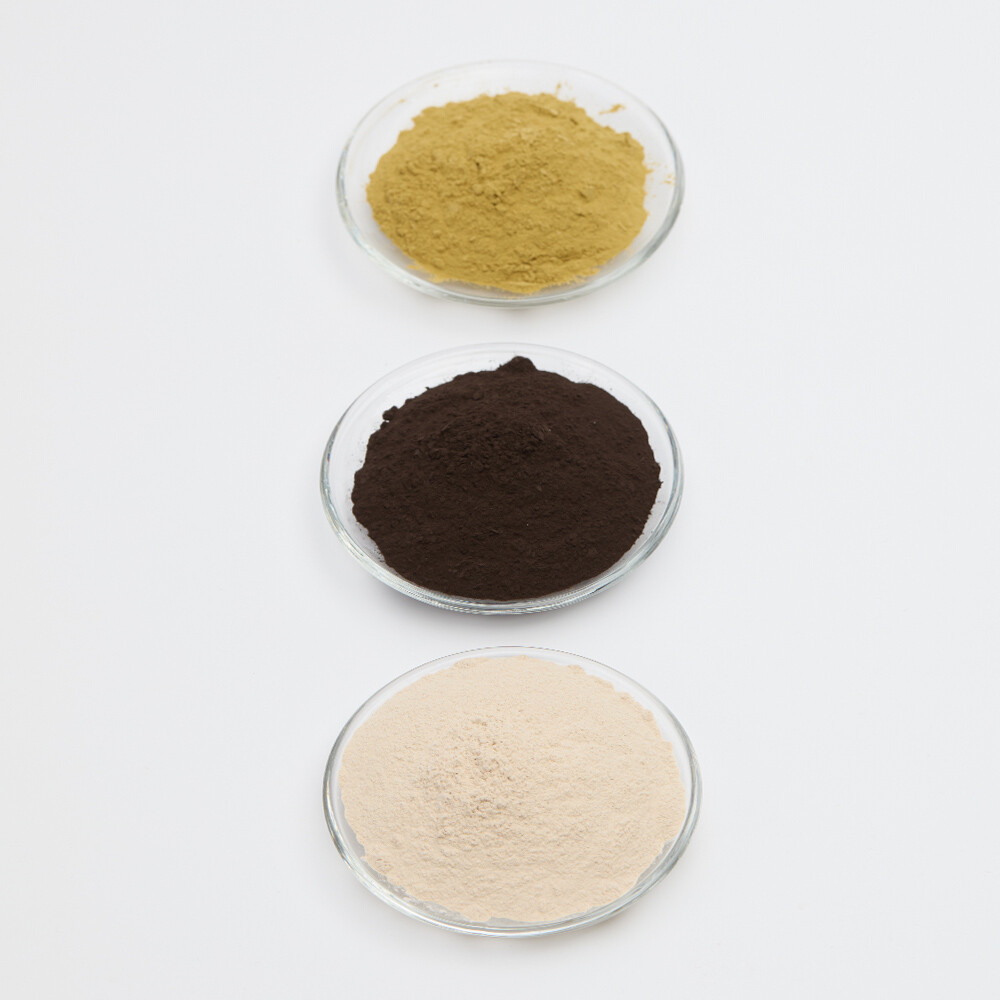
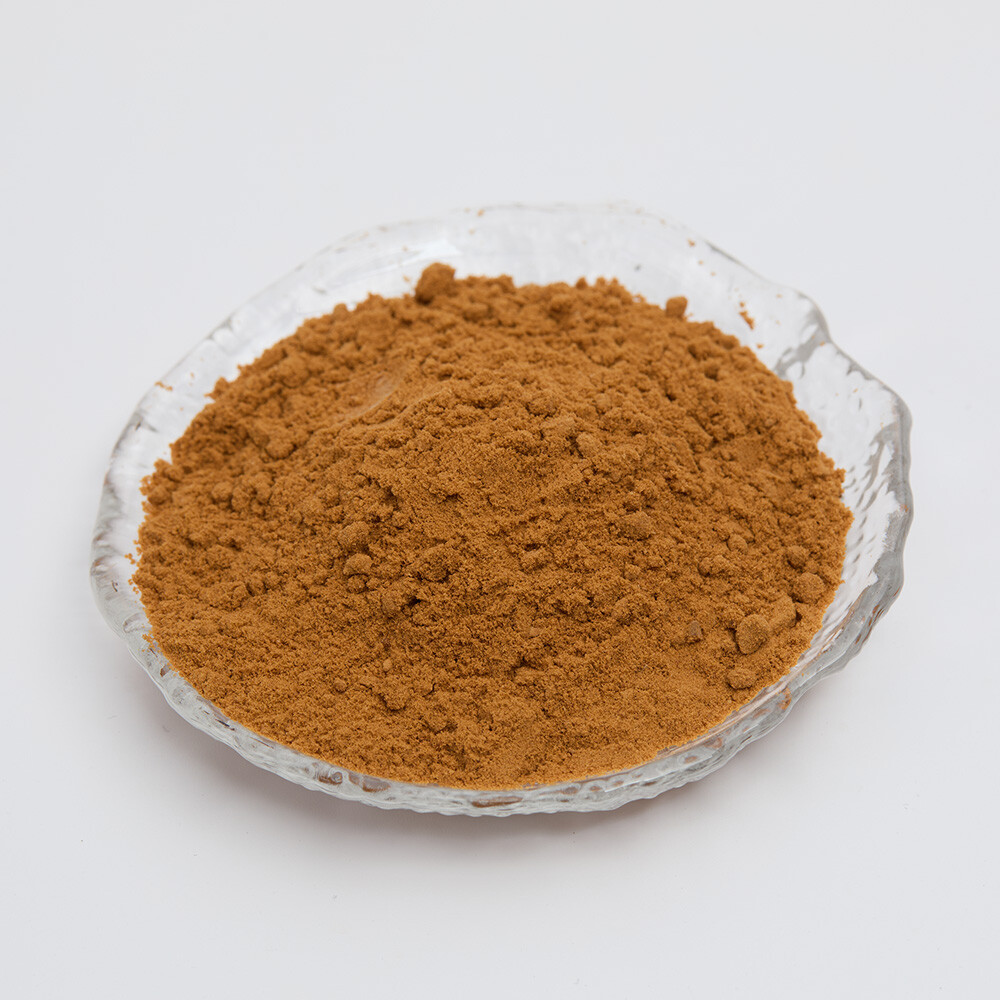
Aspergillus Oryzae
[Applications in Fermented Feed]
1.The protease system produced by Aspergillus oryzae during feed fermentation helps with digestion and can also be directly absorbed by the animal's gastrointestinal tract.
2.Pectinase and cellulase break down plant tissues,making the nutrients inside more accessible.
3.The function of amylase is to further hydrolyze starch into glucose after the starch is broken down into smaller molecules by amylase. During the stage when young animals have insufficient enzyme activity, adding amylase can promote their growth, improve starch utilization, significantly enhance palatability, and increase feed intake, which helps with weight gain.
4.After animals consume the feed, most of the Aspergillus oryzae breaks down in the gastrointestinal tract, releasing intracellular enzymes through cell wall disruption.Once absorbed, these enzymes can significantly boost the animal's immune system.
The acidic protease works at a pH level similar to that of the animal’s stomach, helping to supplement the animal's gastric protease activity. Pectinase and cellulase break down plant tissues, making nutrients more exposed and easier to digest. The function of amylase is to further hydrolyze small dextrin molecules into glucose, which can aid in the growth of young animals and improve starch utilization.
[Usage and Dosage]
1.Add directly to the feed as probiotics.
2.Use as a fermentation agent for feed and feed ingredients.
Usage: Add as needed, with a recommended range of 0.03% to 0.05%.
[How to Use]
Dilute with dry material several times before use.
Environmental Requirements: Fermentation should be carried out in an environment with temperatures 20℃-40℃.
[Quality Standards] Spore count>15 billion/g.
[Shelf Life] 12 months.
[Storage Method] Store in a sealed, dry, cool place at temperatures below 25°C.
[Precautions] Do not mix with high-moisture materials for long-term storage.
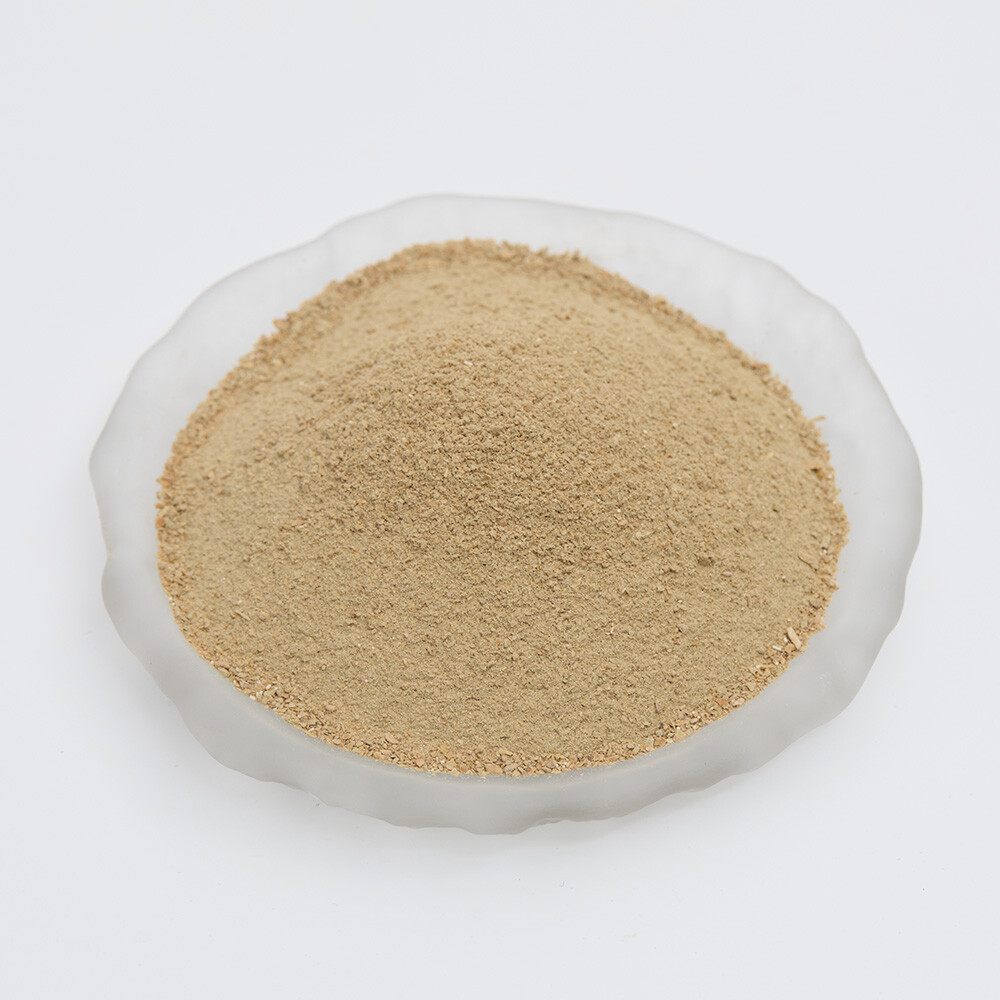
Aspergillus niger
[Applications in Fermented Feed]
1.Aspergillus niger helps improve the nutritional value and digestibility of fermented feed. The microorganisms in this product break down large carbohydrate molecules in the feed into simple sugars and oligosaccharides, while also producing various organic acids, vitamins, enzymes, and unknown growth factors. This process significantly boosts the feed's nutritional content and digestibility. Additionally, it increases the number of beneficial microorganisms in the animal's gut, using a biological competition mechanism to prevent harmful microorganisms from settling and growing. This process helps restore and maintain the balance of gut microbiota, ultimately improving the animal's immune system and resistance to diseases.
2.It improves feed palatability and significantly increases appetite.Adding this product to the feed can improve feed utilization, boost animal performance, reduce production costs, and enhance the farming environment.
3.Aspergillus niger, as a fermentation agent, can ferment all types of feed,including energy feed, protein feed, and roughage. The fermented feed is suitable for livestock such as pigs, cattle, and sheep, as well as poultry like chickens, ducks, and geese. It is also suitable for aquatic animals such as fish and shrimp, and even for insects like meal worms.
[Usage and Dosage]
1.The product has a high spore count, which makes it easy to store.
2.The beneficial microorganisms in the product are really adaptable to different environments.
3.The spores can regenerate well during fermentation, and the enzyme system is quite rich.
Usage: Add as needed, with a recommended range of 0.03% to 0.05%.
[How to Use] Dilute with dry materials before use.
Environmental Requirements: Fermentation should be carried out in an environment with temperatures 20℃-40℃.
[Quality Standards] Spore count>15 billion/g.
[Shelf Life]12 months.
[Storage Method] Store in a sealed, dry, cool place at temperature below 25°C.
ASPERGILLUS KAWACHII
[Product Usage] For koji preparation.
[Inoculum] 0.3-0.5 parts per million, based on mixed dry materials.
[Instructions] Dilute 30-40 times the amount of koji extract with dry flour, mix thoroughly, and evenly add to the mixture. [Temperature requirement] ≤38-40°C for inoculation. After inoculation, maintain the temperature at 34-36°C (lower in summer, higher in winter).
[Koji Preparation Time]
24-30 hours for maturation. (Koji preparation generally does not exceed 30 hours, typically for koji preparation in a ventilated koji pool. Depending on the process, the preparation time can be extended to 36-48 hours, or 48-72 hours, typically for koji preparation in a koji pan.)
Recommended Koji Preparation Dosage After Koji Preparation: 6%-12% (for reference only, dosage varies by region).
Note: When storing unused Koji, ensure the Koji is not too moist. This can easily lead to burning or suffocation. It is recommended that the moisture content be less than 10% before storage.
[Storage Method] Store in a cool, dry place below 25°C. (Refrigerator storage recommended)
[Notes]
1. This product is a single strain. Its growth rate may be faster than that of a combined strain during the initial production phase. This is normal and will not affect production.
2. This strain has high moisture requirements. Generally, the moisture content of the clinker should be no less than 50-55%, otherwise it will affect the growth of the enzyme system in the later stages.
3. During the koji making process, always monitor the ambient temperature in the koji room (24-28°C). The temperature of the koji pool should not be too high (35-38°C).