
Product Center
SEARCH
PRODUCT
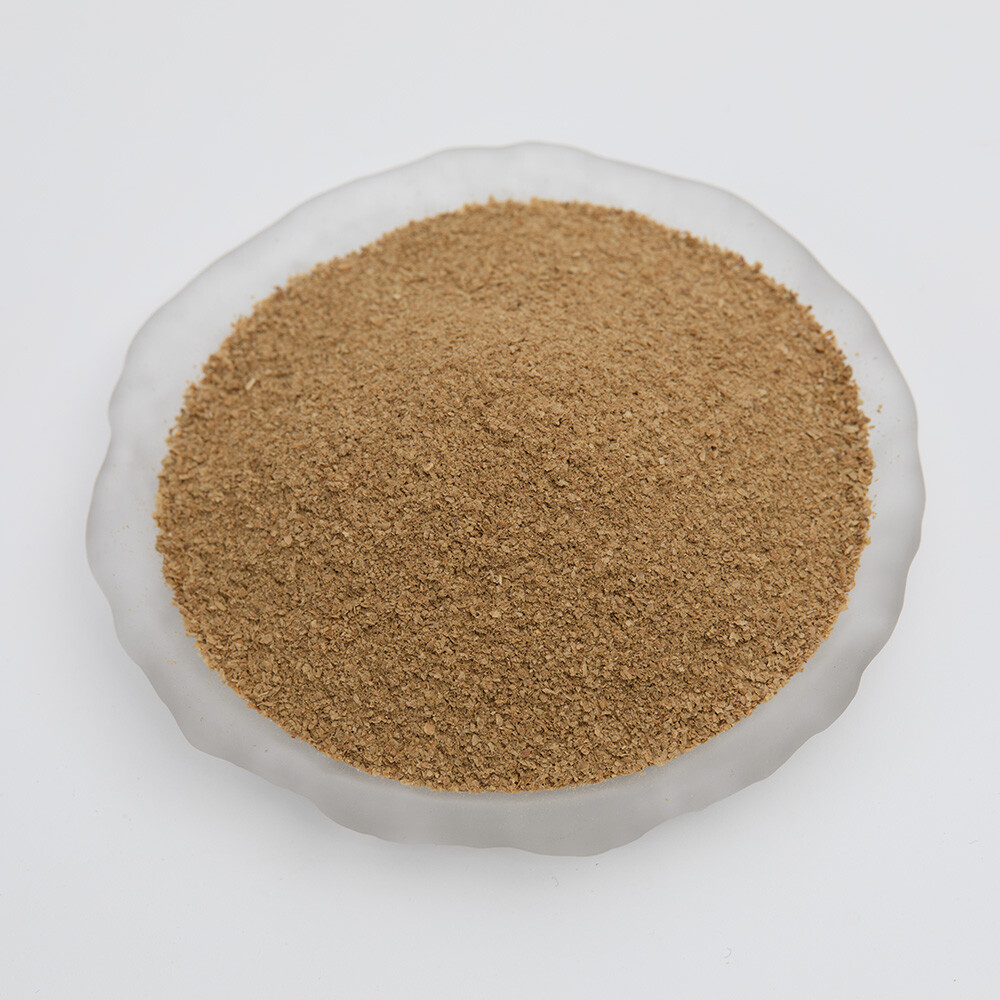
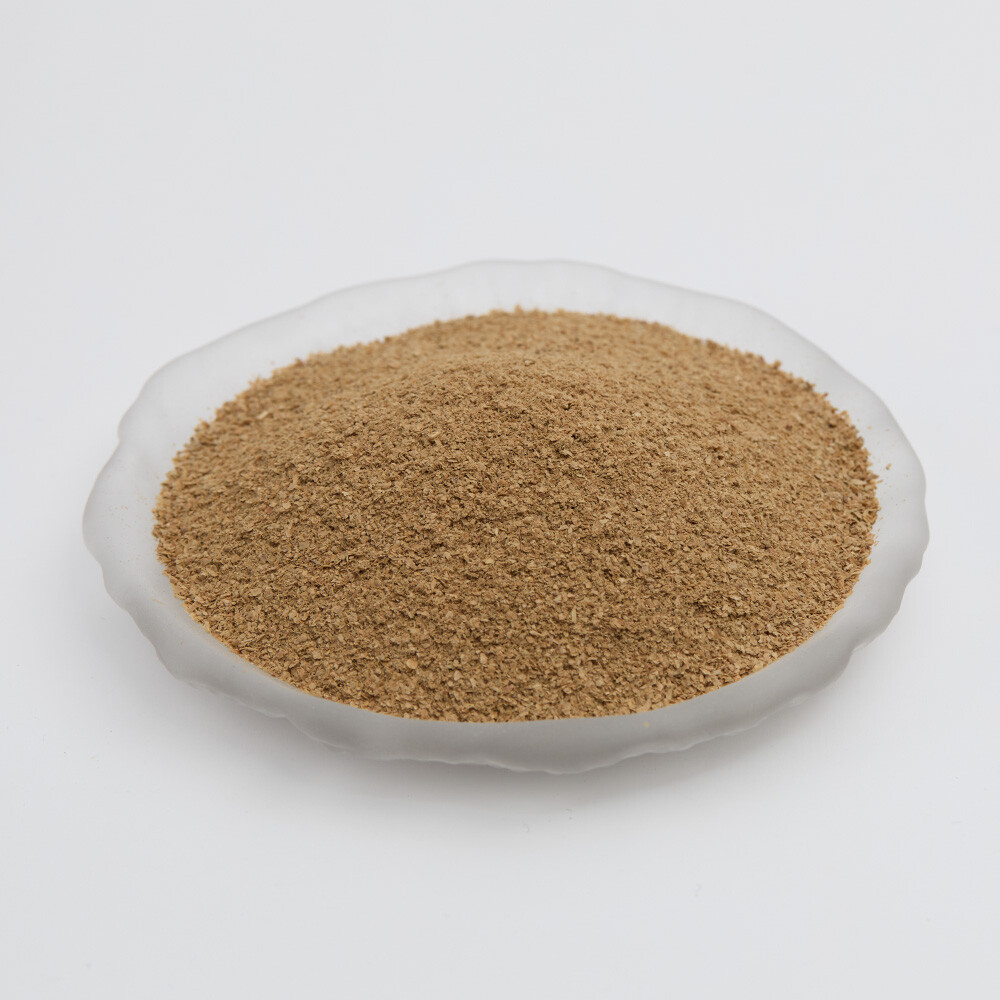
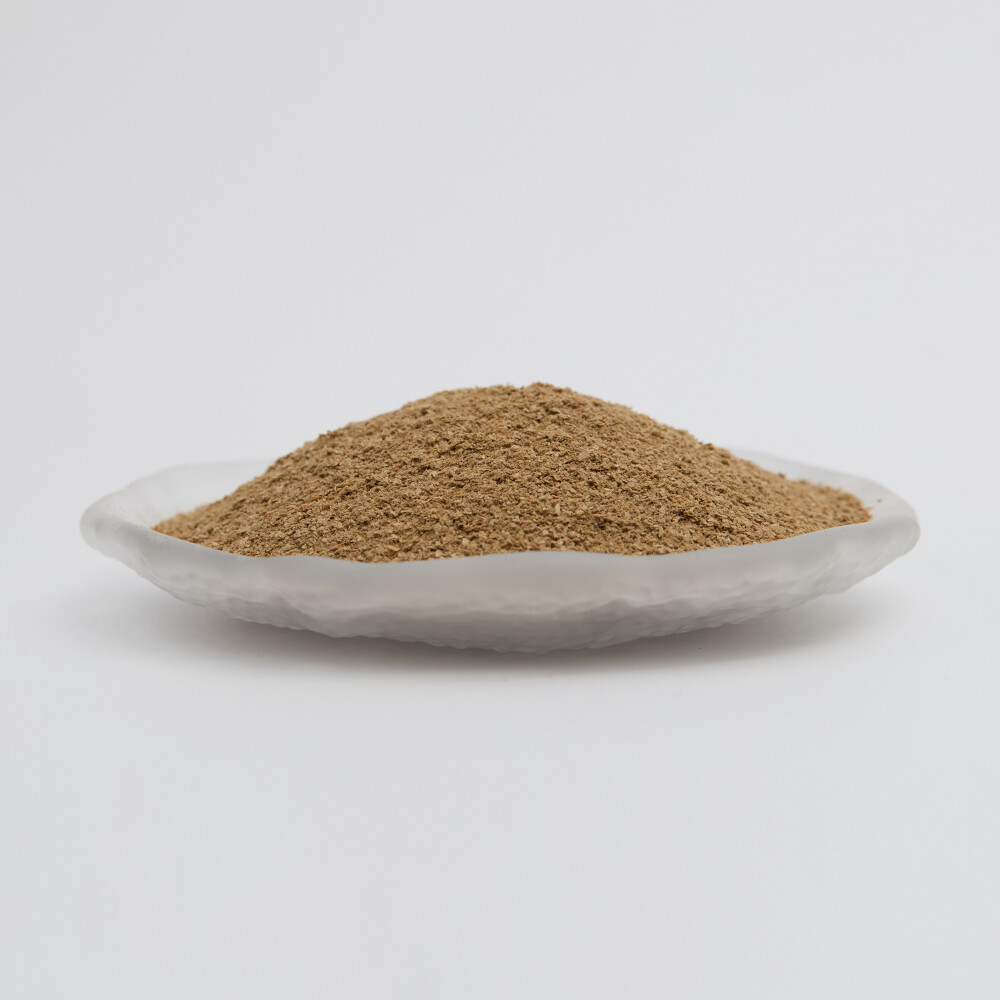
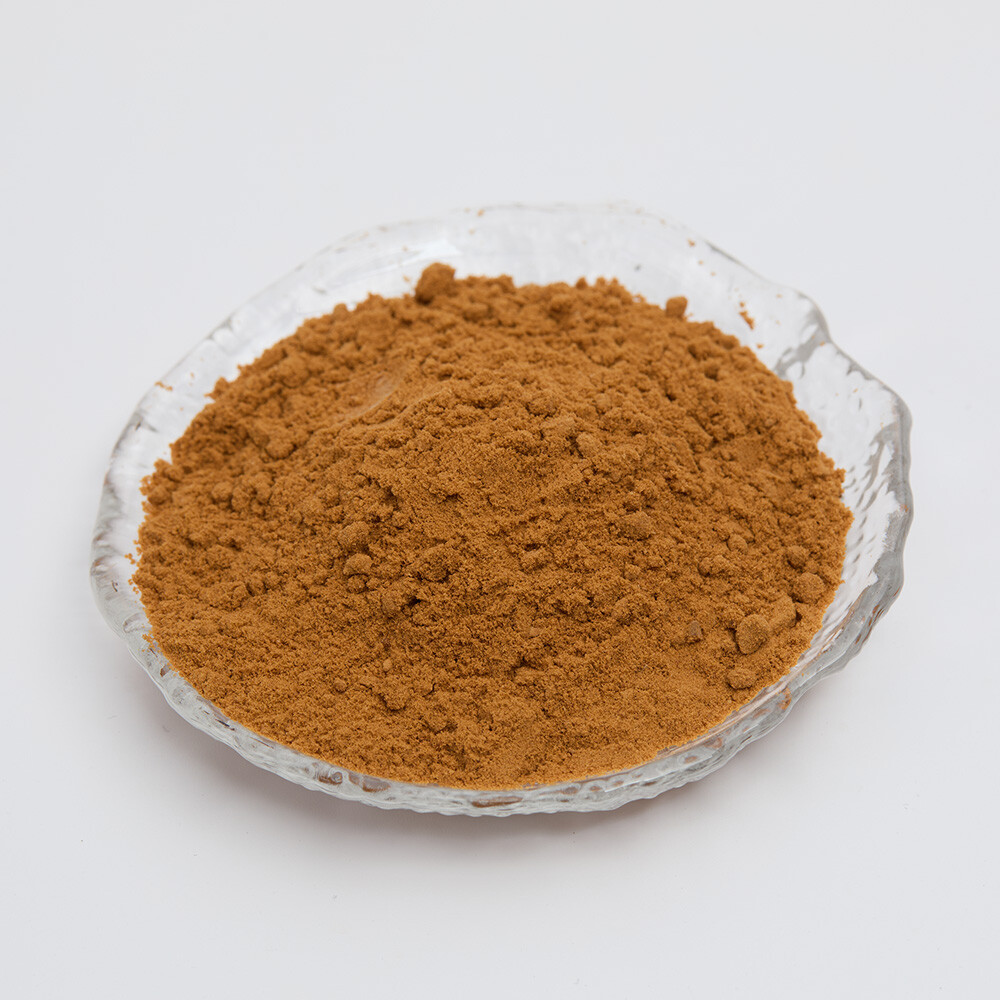
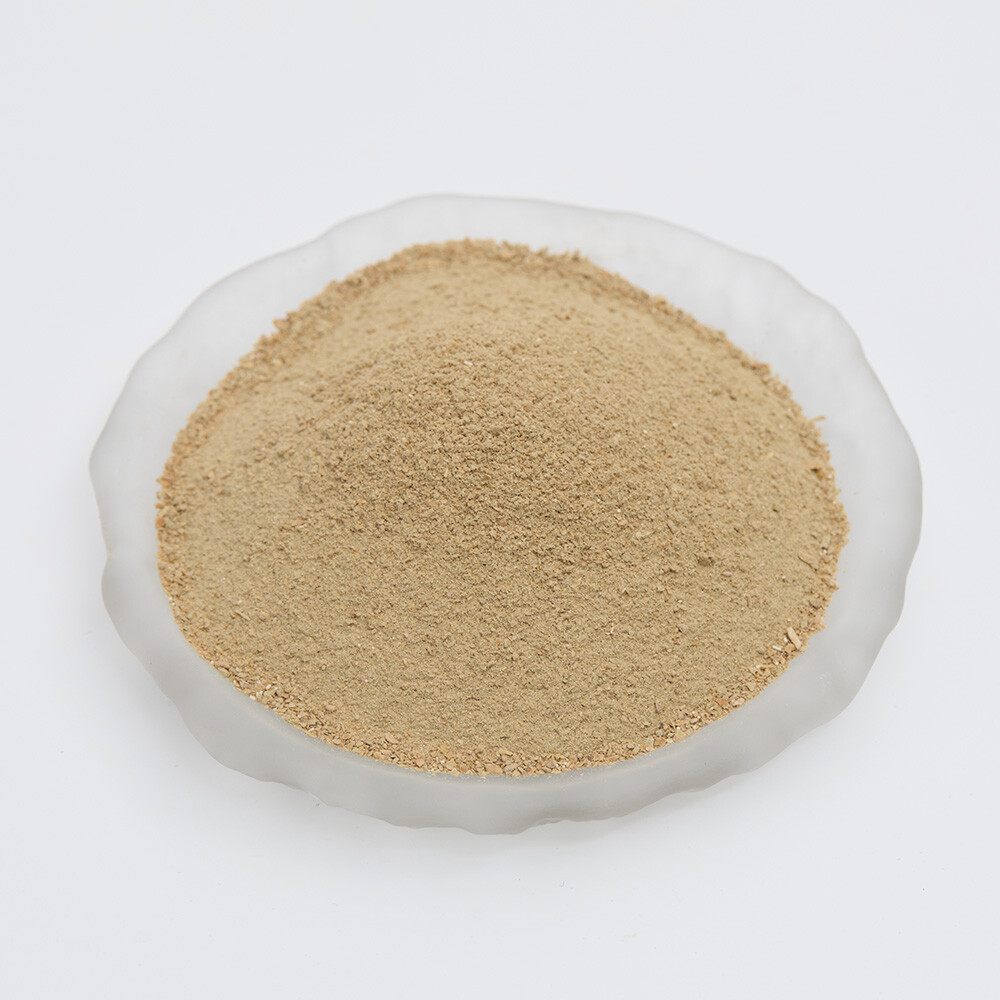
Key Production Strain, Production Characteristics and Potential Application Fields of Long Branch Compound Enzyme The key production strain of the long branch compound enzyme is *Trichoderma longibrachiatum*, which belongs to the genus *Trichoderma* and has advantages such as strong viability, high enzyme production efficiency, and a complete enzyme system. This type of compound enzyme takes cellulose-degrading enzymes as the core and has multiple enzymatic activities, thus possessing important application value in fields like industry and agriculture.
[Production Characteristics]
Low culture cost**: Agricultural or industrial wastes such as corn stover, wheat straw, bagasse, and waste paper can be used as carbon sources. This not only reduces costs but also realizes resource recycling.
Short fermentation cycle: The enzyme production peak can be reached within 3-6 days of shake flask culture. The strain grows and reproduces rapidly, is easy for scale-up cultivation, and is suitable for industrial production.
Easy enzyme extraction: Most of the main enzymes are extracellular enzymes, which are secreted into the fermentation broth. There is no need to break cells, which simplifies the extraction and purification process.
[Potential Application Fields]
Biomass energy and chemical industry**: Agricultural wastes (e.g., straw) and forestry wastes are degraded into glucose by the compound enzyme. The glucose is further fermented to produce new energy sources such as ethanol and biodiesel, or converted into other chemical raw materials, contributing to solving the energy crisis.
[Agricultural field]
Straw returning to the field: As the core component of straw-degrading bacterial agents, it accelerates the decomposition of straw, increases the content of soil organic matter, and reduces pollution from straw burning.
Feed additive: By enzymatically decomposing cellulose and hemicellulose in feed, it improves the nutritional utilization rate of feed, promotes the growth of livestock and poultry, and enhances the quality of meat, eggs, and milk.
[Industrial processing]
Textile industry: Used for the biopolishing of cotton fabrics to remove surface fuzz and improve the hand feel and luster of fabrics; or used to assist in the stone-washing of denim, replacing traditional chemical reagents.
Papermaking and pulping: It is used for raw material pretreatment to reduce lignin content, decrease the use of chemical bleaching agents and lower pollution; or used for deinking waste paper to improve pulp quality.
Environmental governance: It degrades lignocellulosic pollutants contained in agricultural and forestry wastes, papermaking wastewater, etc., or cooperates with other microorganisms to treat organic solid waste, thereby improving degradation efficiency.