
Product Center
SEARCH
PRODUCT
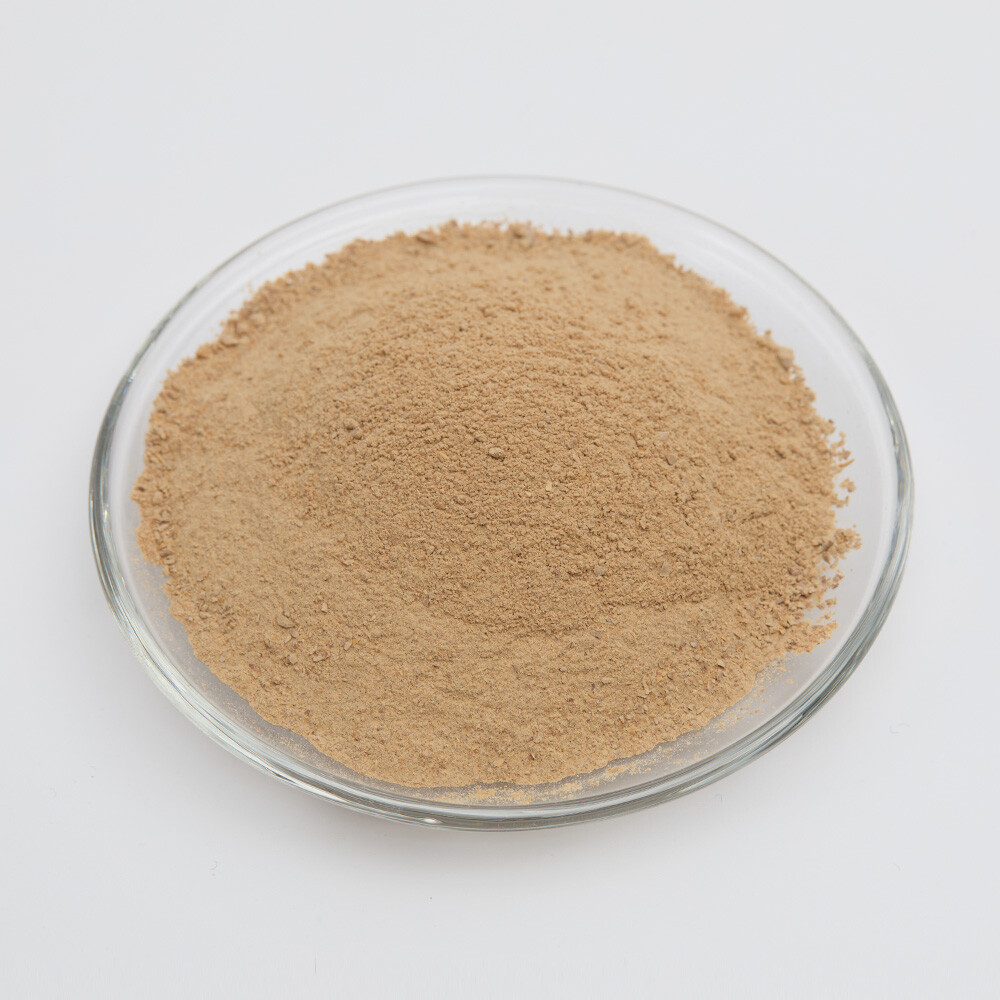
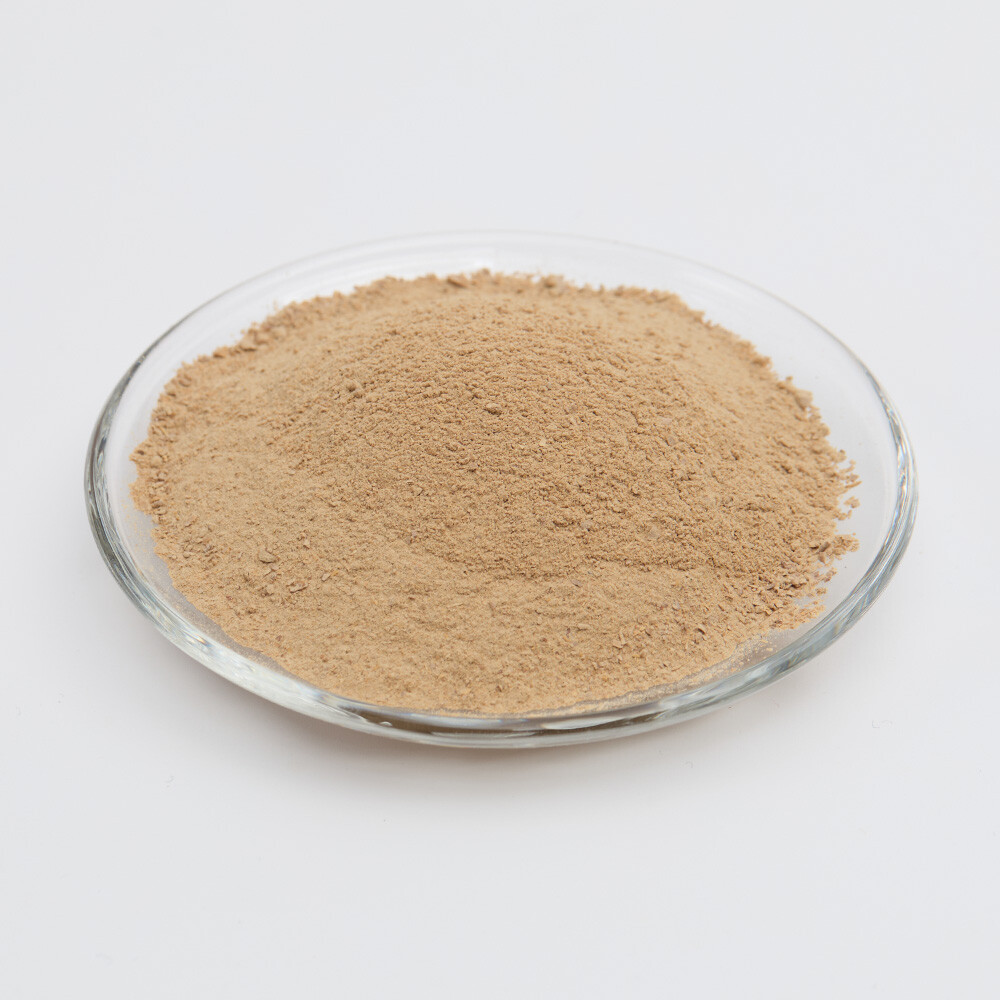
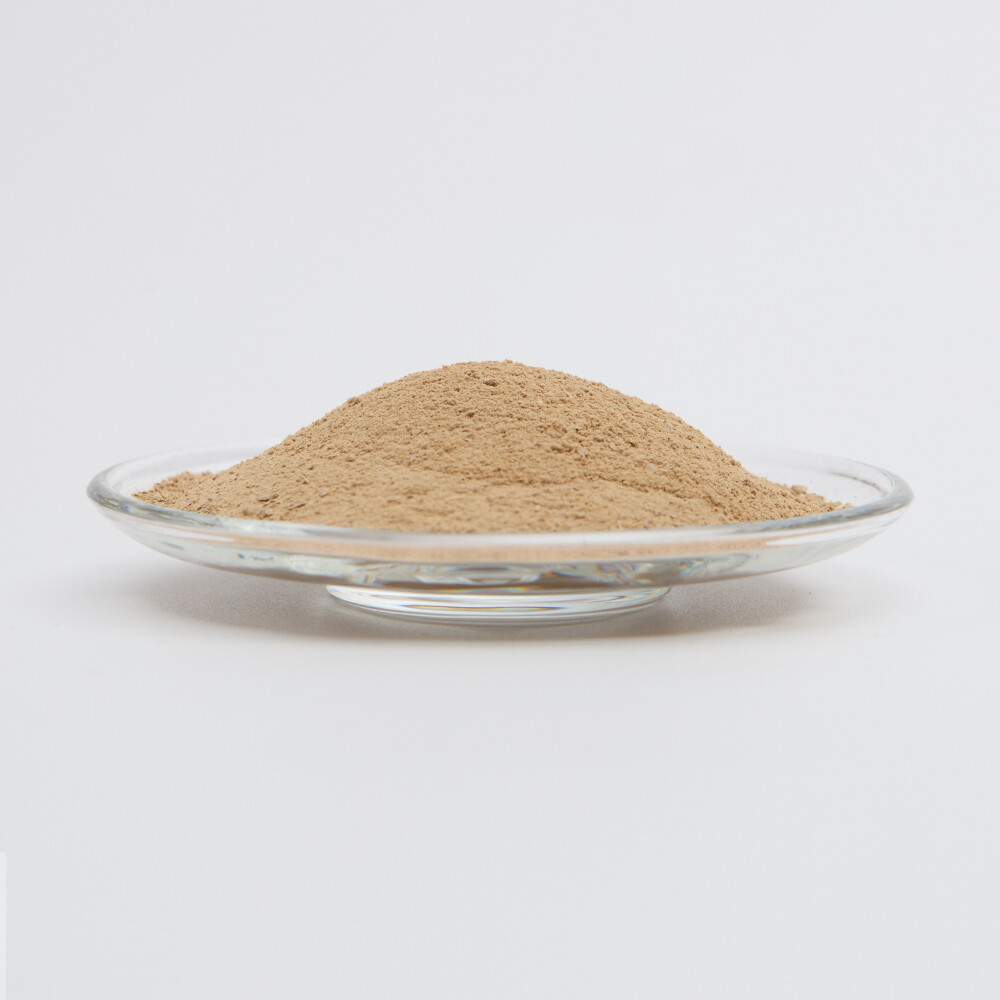
Beauveria Beauveria is a group of fungi with significant biocontrol value. Its core application revolves around the biological pest control method of "using fungi to control insects", while also having potential applications in fields such as medicine and environmental management. Specifically, its uses can be categorized as follows:
[Core Application]: Biological Pest Control in Agriculture and Forestry This is the most mature and widely used field of Beauveria. It achieves pest control effects through active infection of pests: after the fungal spores come into contact with the pest’s body surface, they germinate under suitable temperature and humidity conditions, penetrate the pest’s body wall, multiply in large quantities inside the pest’s body, and simultaneously secrete toxins such as "beauvericin" to disrupt the pest’s physiological functions, ultimately leading to the pest’s death (the dead pest’s body is usually rigid and covered with white hyphae, hence the name "Beauveria"). This method is environmentally friendly, does not pollute soil or water sources, and pests are less likely to develop resistance to it, making it suitable for the development needs of green agriculture. Its main target pests and application scenarios include: ### 1. Agricultural Pest Control - **Lepidopteran pests**: Such as cabbage caterpillars, diamondback moths (major pests of cruciferous vegetables), cotton bollworms (pests of cotton/tomatoes), and Asian corn borers (pests of corn stalks). Beauveria can be applied via "fungicide spraying" or "seed dressing". For example, spraying Beauveria preparations in vegetable greenhouses can effectively reduce the population density of Lepidopteran larvae and decrease the use of chemical pesticides. - **Coleopteran pests**: Such as grubs (larvae of scarab beetles, which damage the roots of underground crops like peanuts and potatoes) and long-horned beetles (which damage the branches of fruit trees and forest trees). For underground pests (e.g., grubs), Beauveria preparations can be mixed with soil or used for root irrigation; the spores survive in the soil and infect the larvae. For long-horned beetles, fungal liquid can be injected into their tunnels, where the fungi multiply and kill the larvae. - **Homopteran pests**: Such as aphids and whiteflies (which damage vegetables and flowers). Although their control effect is weaker than that on Lepidopteran/Coleopteran pests, Beauveria can be used in combination with other biological control methods (e.g., ladybugs, aphid parasitoids) to form an "integrated pest management system". ### 2. Forestry Pest Control - **Main target pests**: Pine caterpillars (which damage pine trees and can cause large-scale pine forest death), poplar defoliators (major leaf-eating pests of poplar trees), and fall webworms (invasive pests that damage a variety of broad-leaved trees). - **Typical application scenarios**: In forest areas, large-scale release of Beauveria spores is carried out through methods such as "aerial spraying", "ground dusting", or "trunk fungus coating". By leveraging the natural spread of fungi in forests, long-term pest control is achieved. For instance, in pine forest areas in northeastern and southern China, Beauveria has been used for a long time to control pine caterpillars, achieving a control effect of 70%-90% while maintaining the stability of the forest ecosystem. ### 3. Sanitary Pest Control Beauveria also has a certain control effect on sanitary pests such as mosquitoes, flies, and cockroaches. For example, in fly breeding grounds such as garbage dumps and toilets, spraying Beauveria preparations allows the spores to attach to the surface of fly larvae, infect and kill them, reducing the fly population. Moreover, it is non-toxic to humans, livestock, and poultry. ## II. Potential Applications: Medicine and Functional Ingredient Development During its growth, Beauveria produces a variety of biologically active metabolites (e.g., beauvericin, cordycepin, polysaccharides). These components have certain medicinal potential and are currently in the research or initial application stage: - **Antibacterial and antiviral effects**: Beauvericin has an inhibitory effect on some bacteria (e.g., *Staphylococcus aureus*) and fungi (e.g., *Candida albicans*). Relevant extracts can be used as candidate "natural antibacterial agents" in the pharmaceutical field. - **Immunomodulatory effect**: Beauveria polysaccharides can activate the body’s immune cells (e.g., macrophages, lymphocytes). Some studies have shown that they can assist in regulating immune function. Currently, "fungal polysaccharide health products" made from Beauveria are available on the market (Note: Health products cannot replace drugs, and specific effects must be supported by scientific verification). - **Antitumor research**: Some laboratory studies have found that certain metabolites of Beauveria have an inhibitory effect on the proliferation of specific tumor cells (e.g., liver cancer cells, lung cancer cells). However, this is currently only in the in vitro experiment stage and has not yet been transformed into clinical drugs. ## III. Other Applications: Environmental Management and Ecological Restoration In addition to insecticidal effects, the mycelium of Beauveria can secrete a small amount of degrading enzymes (e.g., cellulase, chitinase) and has a certain adsorption capacity for heavy metals (e.g., lead, cadmium), thus having potential applications in the environmental field: - **Organic waste degradation**: Beauveria can work in synergy with other microorganisms to participate in the decomposition process of organic wastes such as crop straw and livestock manure, accelerating the decomposition of cellulose and chitin (a component of insect exoskeletons) and improving composting efficiency. - **Heavy metal pollution remediation**: In soil or water bodies slightly contaminated with heavy metals, the mycelium of Beauveria can fix heavy metal ions through "adsorption", reducing their migration in the environment and minimizing harm to plants or aquatic organisms (this application is currently mainly in the laboratory research stage and has not been widely promoted). ## Summary: Core Application and Advantages of Beauveria Its core value lies in "green pest control" — compared with chemical pesticides, Beauveria has high safety for non-target organisms (e.g., bees, birds, beneficial insects), does not damage the ecological balance, and can reduce pesticide residues. It is an important tool for realizing "reduced pesticide use and increased efficiency" in modern agriculture and forestry. At the same time, the medicinal potential of its metabolites and its environmental remediation capabilities also provide directions for its subsequent diversified applications.