
Product Center
SEARCH
PRODUCT
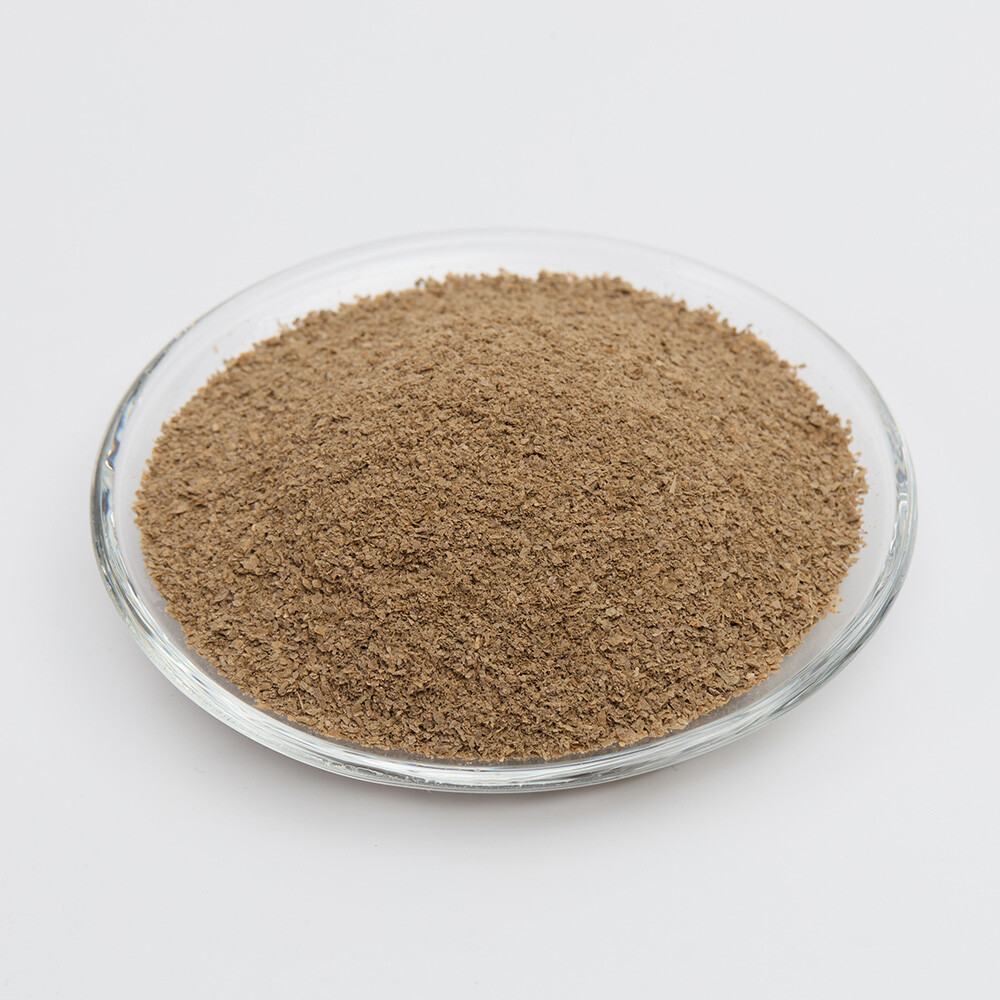
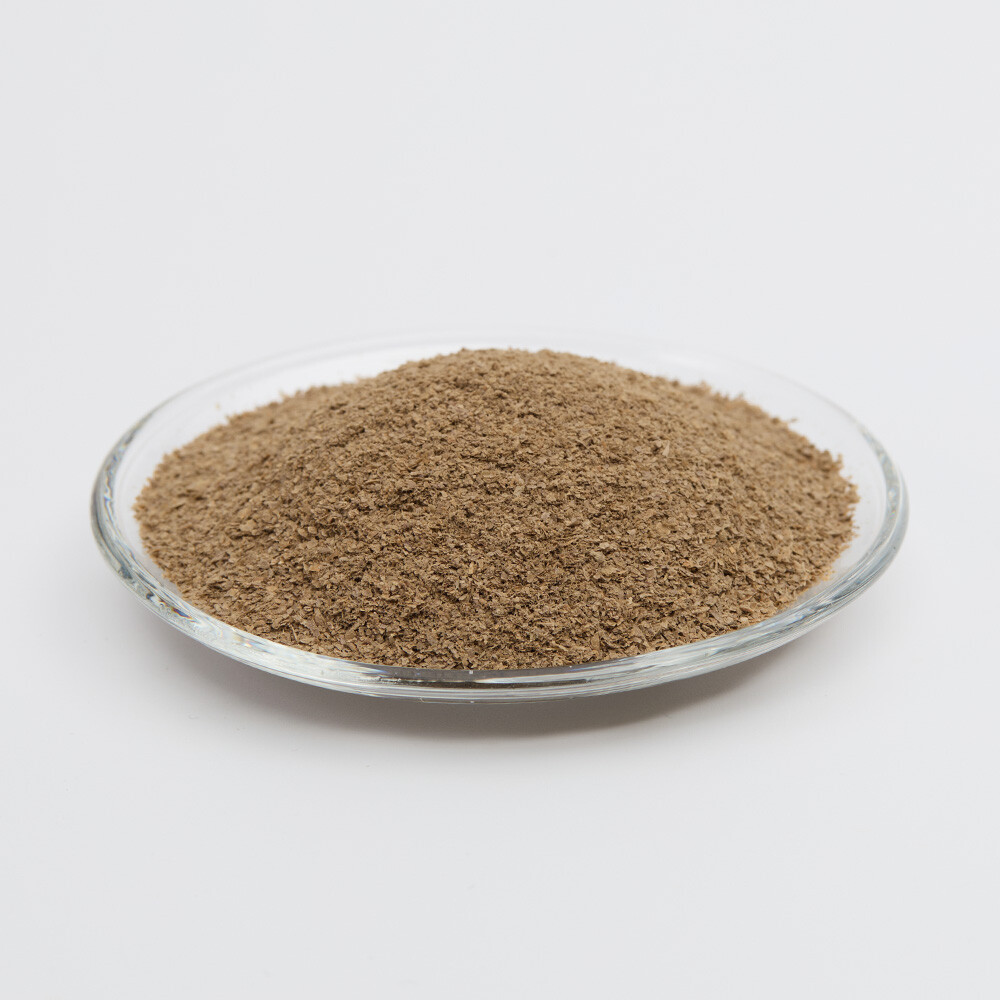
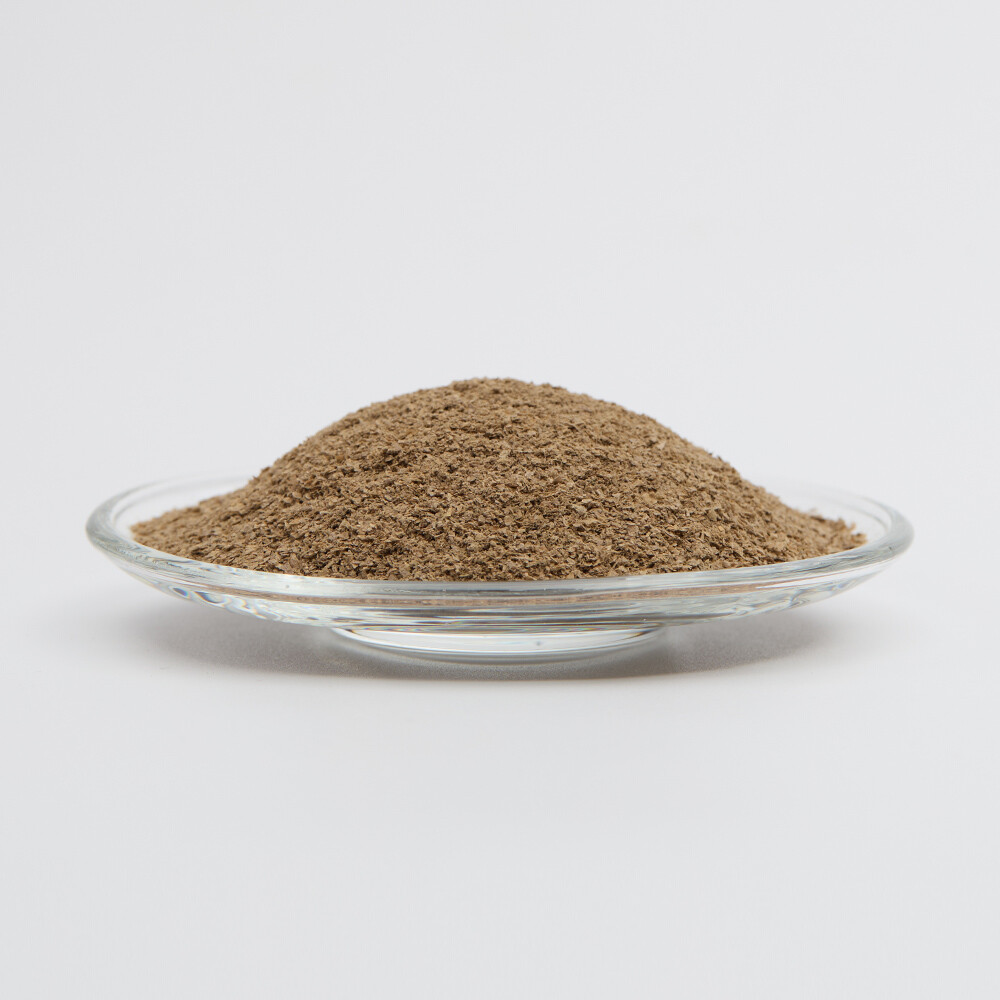
The use of Rhizopus oryzae in animal feed mainly focuses on its ability to produce various enzymes and beneficial metabolic products, which can improve feed quality and animal digestion. Here's a more detailed explanation:
[As a Fermentation Agent]
To Improve Feed Nutritional Value: Rhizopus oryzae produces enzymes like amylase, protease,and lipase. During the fermentation process, these enzymes break down large nutrients in the feed, such as starch, proteins, and fats into smaller molecules like sugars, amino acids, and fatty acids, which not only boosts the feed's nutritional value but also enhances its digestibility and absorption by animals.
To Improve Feed Palatability: During fermentation, Rhizopus oryzae produces organic acids and alcohols that give the feed a distinct aroma and a slightly sweet and sour flavor, which helps stimulate the animals' appetite, making them more eager to eat and increasing their overall feed intake.
To Reduce Anti-Nutritional Factors: Feed ingredients often contain anti-nutritional factors, such as phytic acid and tannins, which can interfere with the animals' ability to absorb nutrients. However, when fermented with Rhizopus oryzae, these anti-nutritional factors are broken down, thus reducing their negative effects and improving nutrient absorption in animals.
[Application in Silage Feed]
To Promote Lactic Acid Fermentation: Rhizopus oryzae helps to quickly ferment the sugars in the feed into lactic acid, which lowers the pH of the silage. This inhibits the growth and reproduction of harmful microorganisms, ensuring that the silage remains safe and of high quality.
To Improve Aerobic Stability of Silage: After fermentation with Rhizopus oryzae, silage is more resistant to the attack of aerobic microorganisms like molds and yeasts when exposed to air after being opened, so it reduces the chances of secondary fermentation and spoilage.
[Precautions]
When using Rhizopus oryzae, it's important to choose the right feed ingredients and carefully manage the fermentation conditions, including temperature, humidity, pH, and tolerance levels for fermented feed, it's essential to adjust the feed formula and amount based on the specific situation.