
Product Center
SEARCH
PRODUCT
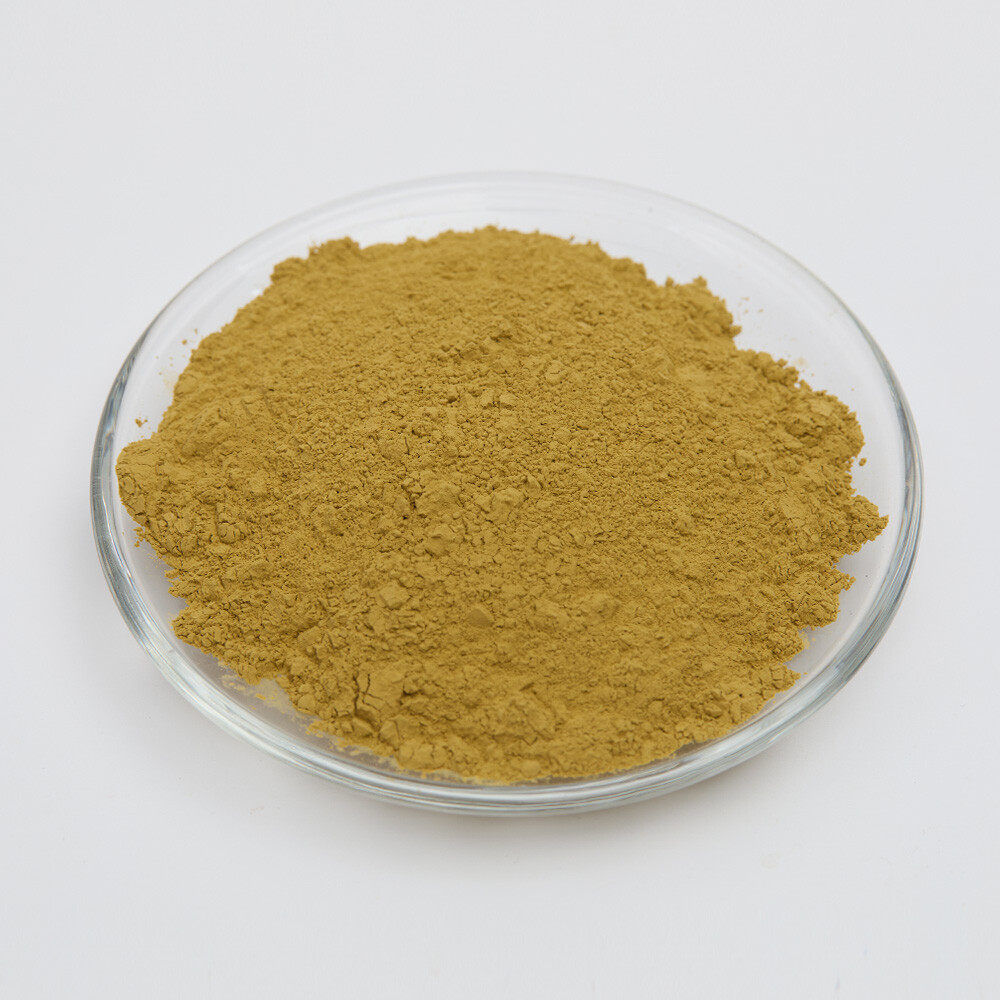
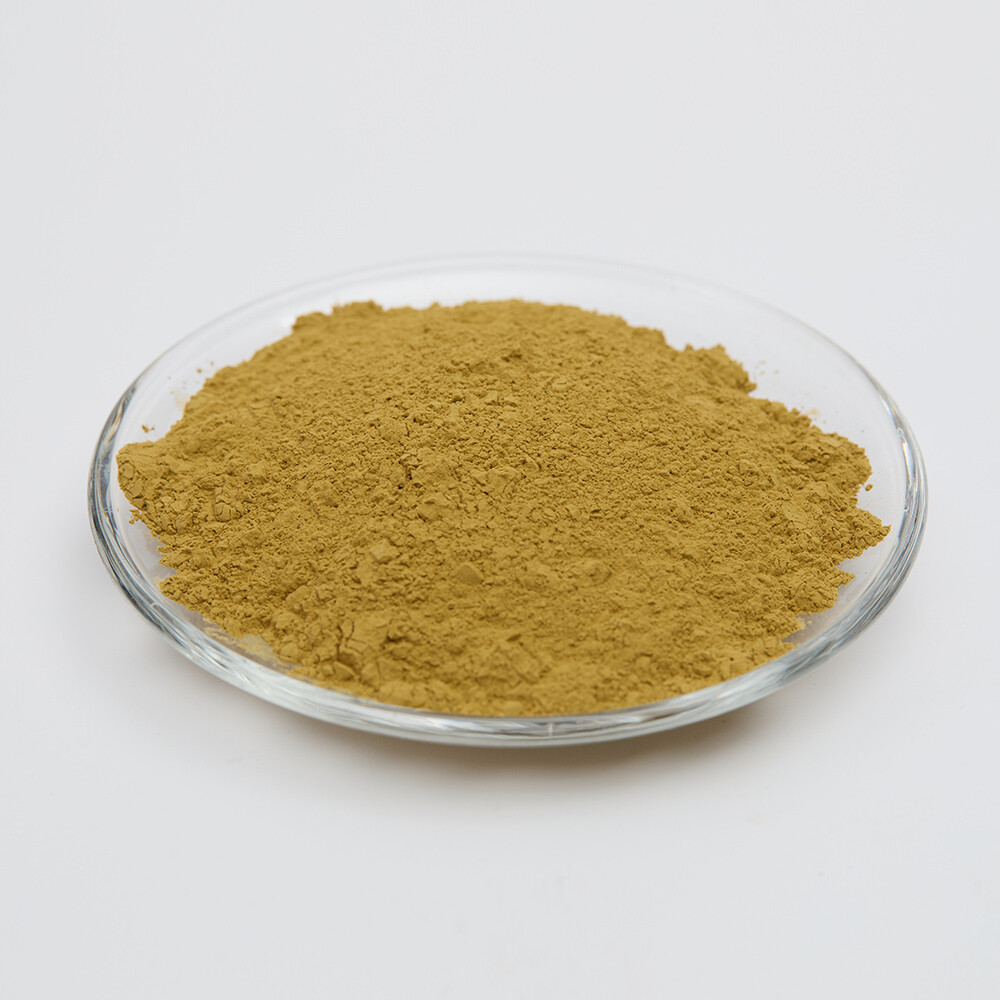
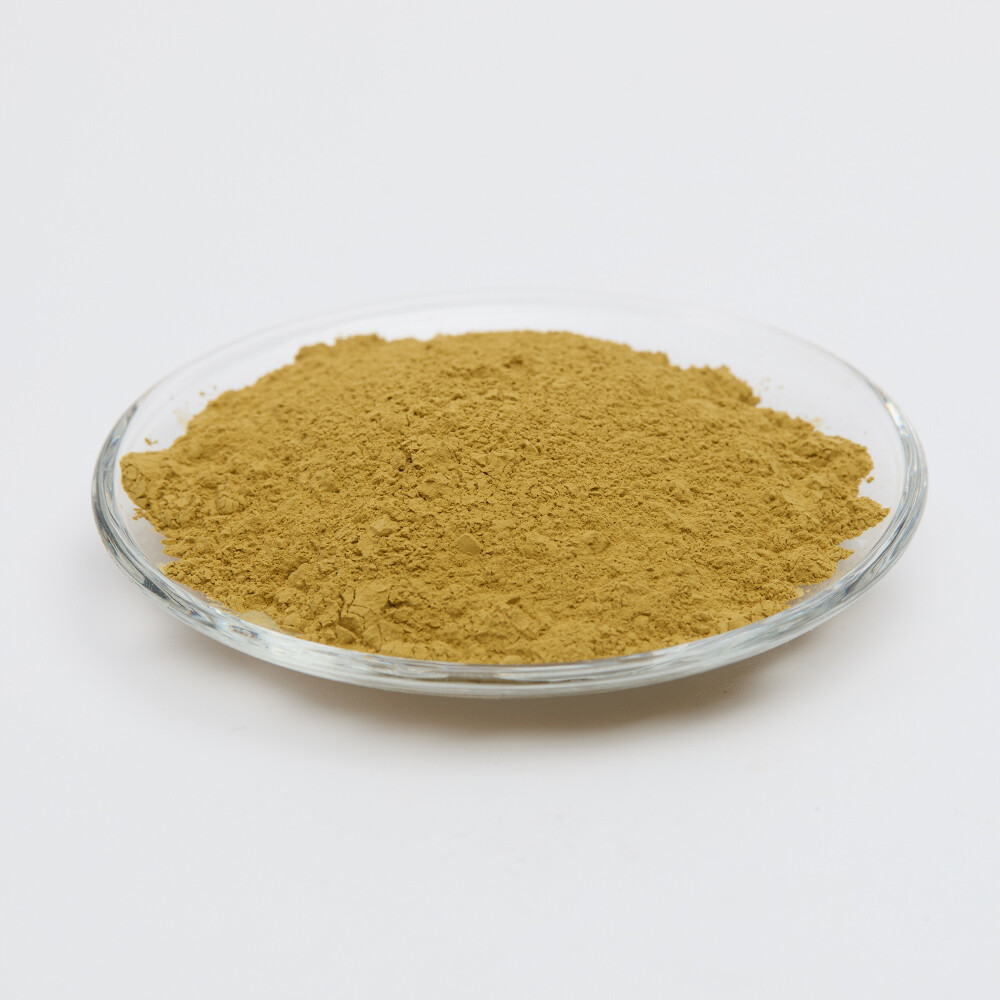
[Applications in Fermented Feed]
1.The protease system produced by Aspergillus oryzae during feed fermentation helps with digestion and can also be directly absorbed by the animal's gastrointestinal tract.
2.Pectinase and cellulase break down plant tissues,making the nutrients inside more accessible.
3.The function of amylase is to further hydrolyze starch into glucose after the starch is broken down into smaller molecules by amylase. During the stage when young animals have insufficient enzyme activity, adding amylase can promote their growth, improve starch utilization, significantly enhance palatability, and increase feed intake, which helps with weight gain.
4.After animals consume the feed, most of the Aspergillus oryzae breaks down in the gastrointestinal tract, releasing intracellular enzymes through cell wall disruption.Once absorbed, these enzymes can significantly boost the animal's immune system.
The acidic protease works at a pH level similar to that of the animal’s stomach, helping to supplement the animal's gastric protease activity. Pectinase and cellulase break down plant tissues, making nutrients more exposed and easier to digest. The function of amylase is to further hydrolyze small dextrin molecules into glucose, which can aid in the growth of young animals and improve starch utilization.
[Usage and Dosage]
1.Add directly to the feed as probiotics.
2.Use as a fermentation agent for feed and feed ingredients.
[Usage]: Add as needed, with a recommended range of 0.03% to 0.05%.
[How to Use]: Dilute with dry material several times before use.
[Environmental Requirements]: Fermentation should be carried out in an environment with temperatures 20℃-40℃.
[Quality Standards]:Spore count>15 billion/g.
[Shelf Life]: 12 months.
[Storage Method]: Store in a sealed, dry, cool place at temperatures below 25°C.
[Precautions]: Do not mix with high-moisture materials for long-term storage.