
Product Center
SEARCH
PRODUCT
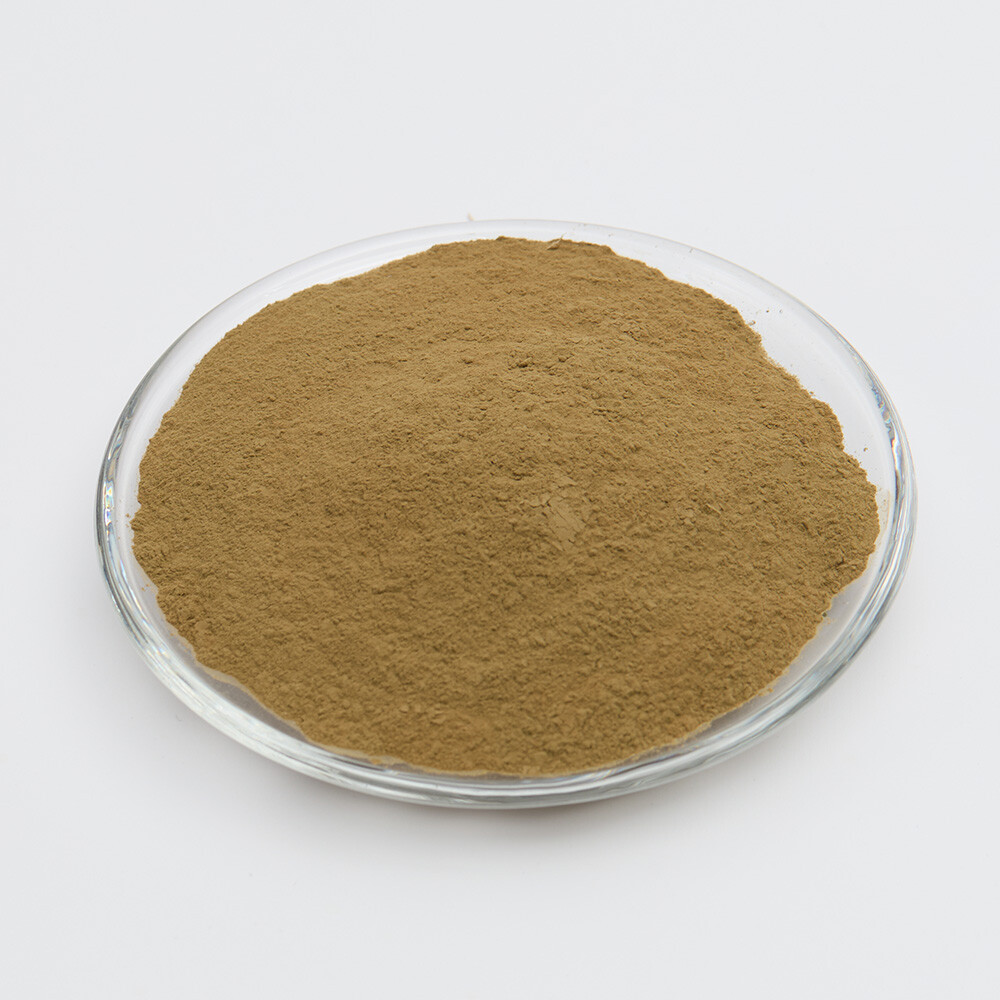
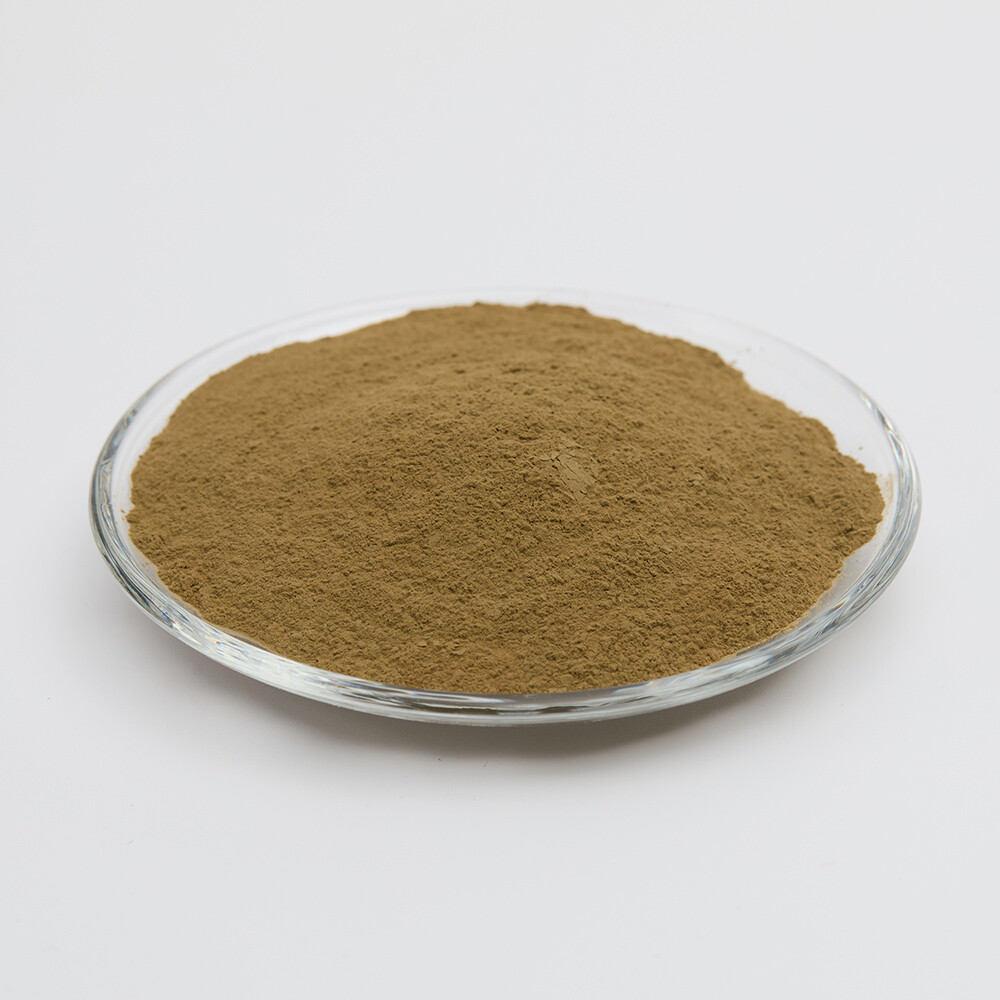
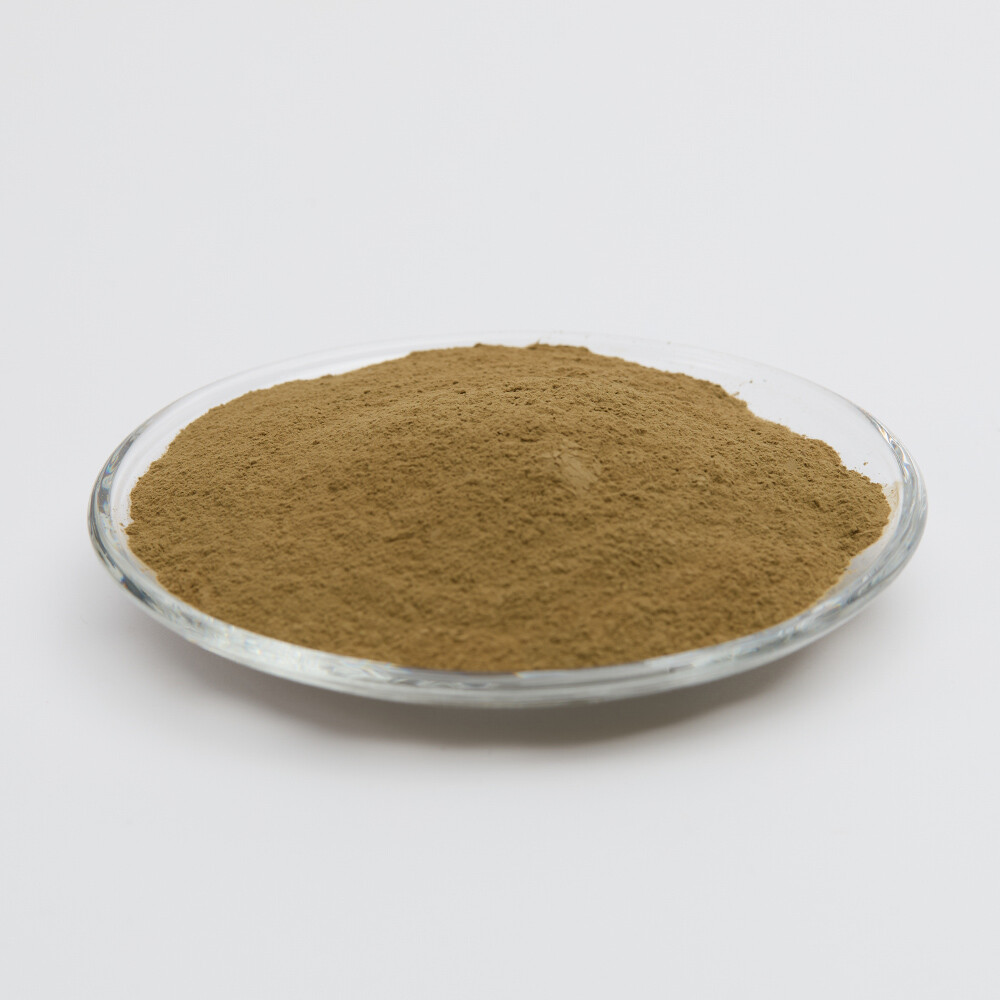
Soy sauce koji essence is primarily made from the CICC2339 (Shanghai Niang 3.042) Aspergillus oryzae strain, supplemented with other strains such as Aspergillus niger for enhanced protease production, through pure culture and complex refining.
[Product Advantages]:
1. Used for koji making to increase yield, the amino acid conversion rate is 5%-10% higher than comparable products.
2. Flavor enhancement: The enzyme system contains NSP decomposing enzymes, resulting in a high production rate of flavor compounds such as guanylate, imparting a unique umami flavor to the product.
3. Shortens the koji making and fermentation cycle, facilitating improved production continuity and equipment utilization.
[Product Ingredients]: Oatmeal, bean curd hulls, trace elements, CICC2339 (Shanghai Niang 3.042), AC-CC30467 (Shanghai Niang 336-2), ACCC30368 (AS3.350), etc.
[Product Application]: Used for koji making of soy sauce ingredients. Inoculation Rate: 3-5 parts per thousand, based on mixed dry materials.
[Instructions]: Dilute and mix 30 times the amount of koji essence with dry flour, then evenly distribute the mixture.
[Temperature Requirements]: Inoculation temperature should be below 40°C, and the temperature after placement in the pond should be between 33-35°C (low in summer and high in winter).
[Koji Making Time]: 24-28 hours to mature (generally no more than 28 hours).
[Storage]: Store in a cool, dry place below 25°C (refrigeration recommended).
[Notes]
(1) This koji essence is a composite strain. Its growth rate may be slower than that of a single strain in the early stage of production. This is normal and will not affect normal production.
(2) Composite strains have high requirements for the moisture content of the finished koji. Generally, the moisture content of the clinker should not be less than 50% to 52%, otherwise it will affect the production of the enzyme system in the later stage.